

Before You Start Touring Single Family Homes in Charlotte, Know Who Is Representing You
Most buyers begin their Charlotte home search with a practical wish list.They want more space. They want a yard. They may want a quiet street, good access to schools or work, nearby parks, room for family, or a neighborhood where they can take a walk at the end of the day.
That is a good place to start.
But before you tour homes, call the listing agent, stop by an open house, or walk into a builder’s model home, here’s the first question you should ask yourself:
 Credit: Lexie Longstreet
Who is actually representing you?
That question matters because buying a single family homes is not just about finding a house that looks good online. It is about understanding price, condition, location, inspections, repairs, HOA rules, future resale, negotiation strategy, and who is protecting your interests throughout the process.
A listing agent represents the seller. A builder’s sales representative works for the builder. If you are the buyer, you need someone looking at the home from your side of the table.
At Carolina Buyer’s Agent, that is the kind of guidance we believe buyers deserve: clear, loyal, conflict-free advice before they make one of the largest financial decisions of their lives.
Why Buyers Look for Single Family Homes in Charlotte
Single family homes remain popular in Charlotte because they often offer what many buyers want most: privacy, outdoor space, flexibility, and a stronger sense of ownership.
For some buyers, that means a ranch-style home in an established neighborhood. For others, it means a newer home with community amenities, a front porch, a fenced yard, or easy access to parks, shopping, and major roads.
But every single-family home should be evaluated carefully.
Two homes may have the same number of bedrooms and bathrooms but be very different when it comes to maintenance, lot quality, updates, layout, neighborhood feel, school assignment, commute, and long-term value.
A good buyer’s agent helps you look beyond the photos and ask better questions.
 Credit: Dave Reid
Homes, Space, and Practical Buyer Questions
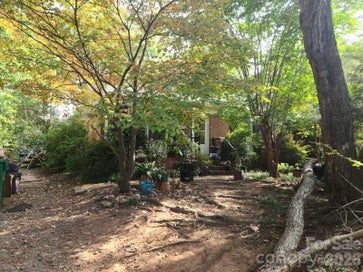
Established neighborhoods reflect what many Charlotte buyers still want in a single family home: a quieter residential setting, mature trees, and older homes.For first-time buyers, downsizers, long-term homeowners, and anyone who values one-level living, ranch-style homes can be especially appealing. They often offer practical layouts, usable lots, and a more settled neighborhood feel than some newer communities.
But older homes require careful review.
A home may have charm, but buyers still need to understand the condition of the roof, HVAC, plumbing, electrical systems, windows, crawl space, drainage, and any past renovations. A mature neighborhood may be beautiful, but it may also come with older infrastructure or maintenance needs that are not obvious during a quick showing.

Credit: Savvy & Co.
Before buying in an older Charlotte neighborhood, ask:
- Has the home been well maintained?
- Are major systems updated or nearing the end of their useful life?
- Does the lot drain properly?
- Were any additions or renovations permitted?
- Is the floor plan functional for the way you live today?
- How does the asking price compare with similar nearby sales?
- What repairs may need to be negotiated after inspection?
A buyer should not have to figure those things out alone. The right representation helps you enjoy the charm while still protecting yourself from surprises.
Walkable Charlotte Neighborhoods: Lifestyle
Many buyers tell me they want a neighborhood where they can walk in the morning, take the dog out in the evening, or feel connected to the people around them.Charlotte has many single-family home communities with sidewalks, trees, parks, lakes, greenways, and quiet residential streets. That kind of walkability can add real value to daily life.
But “walkable” should mean more than a pretty sidewalk in a listing photo.
You want to think about how the neighborhood actually works for your routine. Is it comfortable to walk at the times you would normally be outside? Are parks, schools, shops, or restaurants close enough to matter? Is the street quiet, or does traffic cut through at certain times of day?
Before choosing a home based on walkability, consider:
- Are sidewalks continuous and practical?
- Is the street comfortable for walking or biking?
- How far are parks, shops, schools, or restaurants?
- What is traffic like during weekday mornings and evenings?
- Does the neighborhood feel active, quiet, or somewhere in between?
- Will this location still work for you several years from now?
A home should fit real life, not just the search results.

Credit: Davis Lake – Savvy
Outdoor Living, and Community Amenities
Amenity-based neighborhoods offer the kind of outdoor lifestyle many Charlotte buyers are drawn to: lake views, walking trails, recreation areas, community gathering spaces, and neighborhood amenities that help residents feel connected.For buyers who want an active, family-friendly environment, that can be a strong advantage. Amenities such as volleyball courts, pools, walking trails, parks, and lake areas can improve quality of life and support long-term neighborhood appeal.
But amenities also come with responsibilities.
If a home is in an HOA community, buyers need to understand the rules, dues, restrictions, transfer fees, architectural guidelines, and what the HOA is responsible for maintaining. Those details can affect how you use the property after closing.
 Credit: Phils World
Before buying in any amenity-based Charlotte community, ask:
- What are the HOA dues?
- What do the dues cover?
- Are there rental restrictions?
- Are there rules about fences, parking, pets, exterior changes, or landscaping?
- Are amenities well maintained?
- Are there upcoming assessments or budget concerns?
- How does the home compare with similar homes in nearby communities?
A lake, pool, trail, or recreation area can be a wonderful feature. But buyers should understand the full package before making an offer.
The Appeal of Nature Close to the City
Many buyers are looking for a balance between nature and convenience. Calm water, walking paths, neighborhood recreation, and nearby shopping can make daily life feel easier and more enjoyable.That balance is valuable.
But when a home is near lakes, ponds, wooded areas, or common spaces, buyers should also review drainage, flood zones, easements, maintenance responsibilities, privacy, and insurance considerations.
A beautiful setting should never replace due diligence.
When evaluating homes near water or wooded areas, ask:
- Is any part of the property in a flood zone?
- Are there drainage or erosion concerns?
- Who maintains nearby common areas?
- Are there easements or access restrictions?
- Could the location affect insurance?
- Does the view or setting strengthen resale value?
A peaceful setting can be one of the best parts of a home. The key is knowing what comes with it.

Credit: JB Tuohy
Front Porch Living
A front porch, a white rocker, mature trees, and a quiet street can say a lot about why people love single-family homes in Charlotte.For many buyers, that feeling matters. They want a home that feels welcoming. They want a place to sit outside, talk with neighbors, or enjoy a slower moment at the end of the day.
But buyers should never rely on charm alone.
Your dream home may still need structural repairs. The landscaping may look inviting but direct water toward the foundation. The exterior may look fresh while older systems inside need replacement.
Before falling in love with the home, look at the whole property:
- Is the home structurally sound?
- Are stairs, railings, and supports in good condition?
- Does water drain away from the home?
- Are trees affecting the roof, gutters, or foundation?
- Is the exterior well maintained?
- Does the outdoor space offer privacy and usability?
- Will maintenance fit your budget and lifestyle?
The best purchases usually have both emotional appeal and practical strength.
New Construction Single Family Homes for Sale in Charlotte
Many Charlotte buyers compare resale homes with new construction. New homes can offer modern layouts, energy-efficient features, updated systems, warranties, and the appeal of moving into a home that feels fresh and current.But new construction is not automatically simple.
The builder’s representative works for the builder. That does not mean they are doing anything wrong. It simply means their loyalty is to the builder, not to you.
Your buyer’s agent has a different job: helping you protect your interests.
Before you walk into a model home, register online, share your budget, or discuss incentives, you should understand how representation works. Some builders have rules about when a buyer’s agent must be involved. Waiting too long can limit your options.
New home construction buyers should review:
- Builder contract terms
- Deposit requirements
- Preferred lender incentives
- Lot premiums
- Upgrade pricing
- Construction timelines
- Inspection rights
- Warranty coverage
- Change order policies
- Appraisal concerns
- What happens if delays occur
- Future resale competition in the same community
New construction can be a very good choice. But buyers should not mistake “new” for “risk-free.”
Why Conflict-Free Buyer Representation Matters
Representation affects the advice you receive.If an agent represents the seller, that agent’s duty is to the seller. If a builder’s sales representative works for the builder, their job is to sell the builder’s homes and protect the builder’s interests. If one agent tries to handle both sides of the same transaction, the advice may be limited because that agent is no longer solely advocating for one side.
That is the conflict Carolina Buyer’s Agent was built to avoid.
A buyer deserves clear, loyal, undivided guidance. You should be able to talk openly about your budget, concerns, motivation, timing, inspection issues, and negotiation strategy without wondering whether that information could weaken your position.
A true buyer’s agent helps you evaluate the home from your side of the table.
- That matters before you tour.
- It matters before you write an offer.
- It matters before you negotiate repairs.
- It matters before you choose a builder.
And it matters before you commit to a home that will affect your finances and daily life for years.
Charlotte Lifestyle: Suburban Comfort with City Access
One of the reasons buyers continue looking for single family homes in Charlotte is the variety of lifestyles available.
Some buyers want a quiet residential street. Some want access to parks and lakes. Some want a neighborhood with sidewalks and community amenities. Others want to stay close to dining, entertainment, shopping, schools, medical centers, or major employment areas.
Charlotte offers many of those options, but the right choice depends on how you actually live.
A beautiful sunset over the skyline may capture the feeling of the city, but your day-to-day decision should come down to practical questions:
- How long is the commute?
- Does the neighborhood fit your routine?
- Are schools, parks, shopping, and services convenient?
- Does the home fit your budget beyond the purchase price?
- What maintenance will the property require?
- How will the home likely appeal to future buyers?
The right home should support your life now and make sense for your future.
Why Conflict-Free Buyer Representation Matters
Representation affects the advice you receive.If an agent represents the seller, that agent’s duty is to the seller. If a builder’s sales representative works for the builder, their job is to sell the builder’s homes and protect the builder’s interests. If one agent tries to handle both sides of the same transaction, the advice may be limited because that agent is no longer solely advocating for one side.
That is the conflict Carolina Buyer’s Agent was built to avoid.
A buyer deserves clear, loyal, undivided guidance. You should be able to talk openly about your budget, concerns, motivation, timing, inspection issues, and negotiation strategy without wondering whether that information could weaken your position.
A true buyer’s agent helps you evaluate the home from your side of the table.
- That matters before you tour.
- It matters before you write an offer.
- It matters before you negotiate repairs.
- It matters before you choose a builder.
And it matters before you commit to a home that will affect your finances and daily life for years.
Practical Next Steps for Charlotte Buyers
If you are thinking about buying a single family homes for sale in Charlotte, start with a plan before you start with showings.
1. Clarify your priorities
Decide what matters most: location, schools, commute, yard size, home age, neighborhood feel, amenities, budget, or resale potential.
2. Understand representation before touring
Before you call a listing agent, visit an open house, or walk into a model home, know who represents you. Do not casually share your budget, motivation, timeline, or negotiating position with someone who may be working for the seller or builder.
3. Compare homes carefully
Look beyond photos. Compare condition, updates, lot quality, layout, neighborhood, HOA rules, school assignments, and future marketability.
4. Review the full cost of ownership
Consider taxes, insurance, HOA dues, repairs, maintenance, utilities, upgrades, and closing costs.
5. Use inspections wisely
Inspections help buyers understand the condition of the home and determine what may need further review or negotiation.
6. Protect your negotiating position
Good negotiation starts before the offer is written. What you say, when you say it, and who you say it to can affect your leverage.
Start Your Charlotte, NC Single Family Home Search with Carolina Buyer’s Agent
Thinking About Selling your Charlotte, NC Home?
If you already own a home in Charlotte and are wondering whether the next few years could be the right time to sell, we can help you review your position before you make any major decisions.
Call 704-366-0542 to speak to one of our Buyer’s Agents for more information on all the advantages you’ll get when you choose Carolina Buyer’s Agent to represent you!






FAQs About Single Family Homes for Sale in Charlotte, NC
What is a single-family home?
A single-family home is a detached residential property designed for one household. Buyers often like single-family homes because they typically offer more privacy, outdoor space, and flexibility than some other housing types.
Why are single-family homes popular in Charlotte?
Single-family homes are popular in Charlotte because buyers value space, yards, neighborhood variety, privacy, and access to schools, parks, shopping, and employment areas. Charlotte offers many different single-family home options, from established neighborhoods to newer communities.
Do I need a buyer’s agent when purchasing a single-family home in Charlotte?
Yes, it is wise to have your own buyer’s agent. A buyer’s agent helps you evaluate the property, understand pricing, review inspections, negotiate terms, and protect your interests throughout the process. The listing agent represents the seller.
How can Carolina Buyer’s Agent help me find the right home?
Carolina Buyer’s Agent helps buyers compare homes, understand neighborhoods, review condition, evaluate value, and make informed decisions with conflict-free guidance. Our role is to protect your interests before, during, and after the offer process.
Should I use a buyer’s agent for new construction?
Yes. The builder’s representative works for the builder. A buyer’s agent can help you understand builder contracts, incentives, lot premiums, upgrades, inspection rights, warranties, and resale considerations before you sign.
Is Charlotte a good place for families looking for a home?
Many families are drawn to Charlotte because of its neighborhoods, schools, parks, job opportunities, and lifestyle options. Buyers should still verify school assignments, compare commute times, and review neighborhood fit before making a decision.
What should I look for when comparing Charlotte neighborhoods?
Consider commute, schools, parks, shopping, sidewalks, traffic, HOA rules, amenities, home age, lot size, and long-term resale potential. The best neighborhood for you depends on how you live day to day.
Can I find more affordable single-family homes convenient to Charlotte in the surrounding area?
Yes, buyers may find a range of options in Charlotte and nearby communities, including areas around Fort Mill, depending on budget, commute preferences, home type, and market conditions. A buyer’s agent can help you compare value, location, and long-term fit before you decide.